

Finland · wellbeing and everyday life
Quality of life and the routines behind it
Around half of adults in Finland rate their quality of life as good in the latest THL data, down from the 2018 figure. Those numbers describe a population, not you — but they are a fair starting point.
Where the numbers come fromWhat quality of life actually measures
Quality of life is a self-rated measure, which means it reflects how people describe their own situation rather than a clinical reading. It captures energy, mood, relationships, and how manageable life feels.
That is why the Finnish figure matters: it is a broad read on how people are doing, not a diagnosis of any one person. A drop from 2018 suggests something has shifted in daily life for a lot of adults, not just a few.
Energy and how full a day feels
Mood and steadiness across weeks
Relationships and daily manageability
Sleep duration and consistency
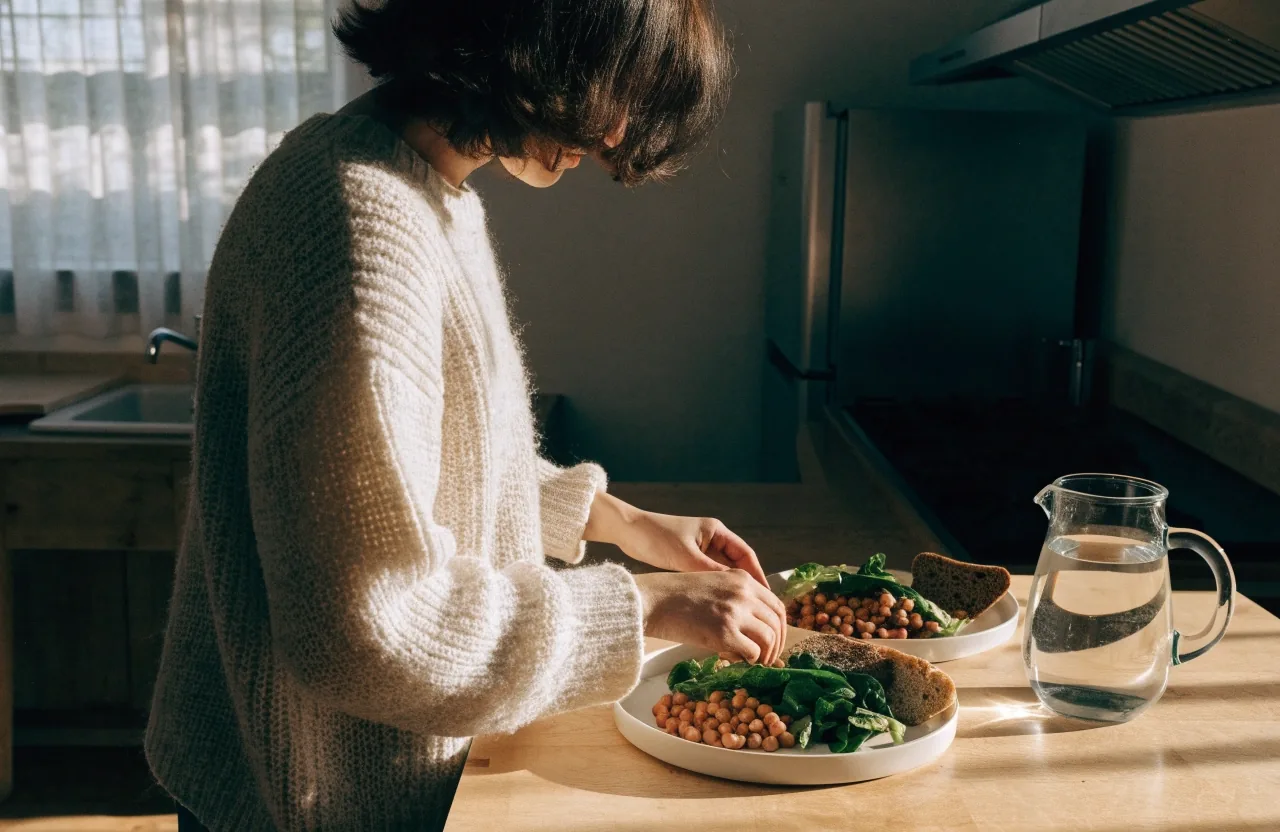
Meal rhythm through the working day
Daylight hours and daily movement
What a lower figure might tell us
The reasons behind a lower figure are rarely single. Work pressure, economic uncertainty, and the long Finnish winter all play a part, and none of them has a simple fix.
Psychological distress among working-age adults points to a similar strain. The useful takeaway is not that things are hopeless, but that everyday routines carry more weight when the wider picture is heavy.
When the wider picture is heavy, the parts you can shape are worth shaping carefully.
Small routines, real effects
Sleep, daylight, food, and movement are not a cure for distress, and this guide will not pretend they are. What they do is steady the base.
A protected bedtime, a proper lunch, and a walk outside in daylight change how a day feels at the edges. When life is stretched, those edges are often where the difference shows up. They are also the parts you can influence directly.
A wake time that holds on weekends
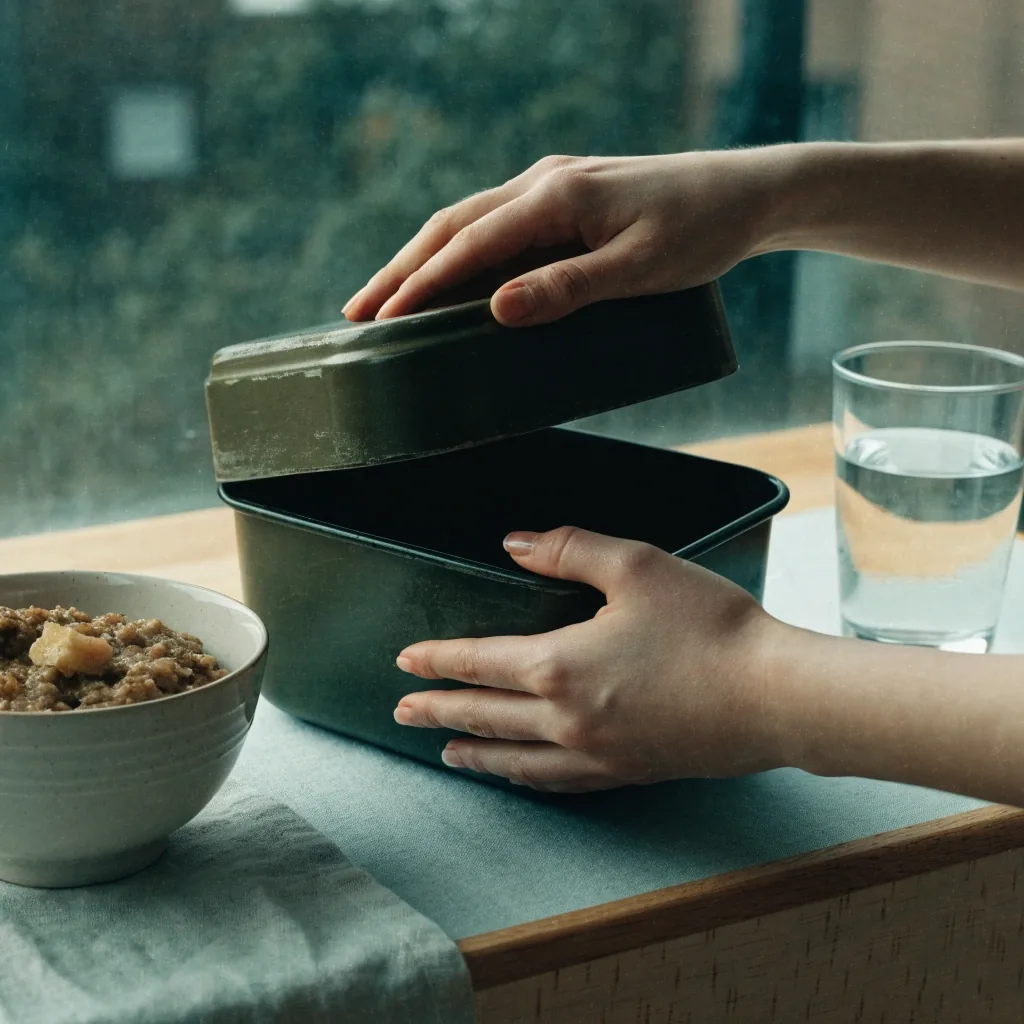
Three meals broadly at the same hours
A twenty-minute walk in daylight
A calmer final hour before bed
None of these are dramatic on their own. Stacked, they take a measurable amount of friction out of ordinary days.
Sleep, mood, and daily energy
Mood and sleep are closely connected in both directions. A bad night makes the next day harder to handle, and a hard day often ruins the night. Breaking that loop usually starts with the evening before. A consistent wake time and a calmer final hour do more than most people expect. It is not a solution to everything, but it removes a layer of difficulty.
Food and the way you feel
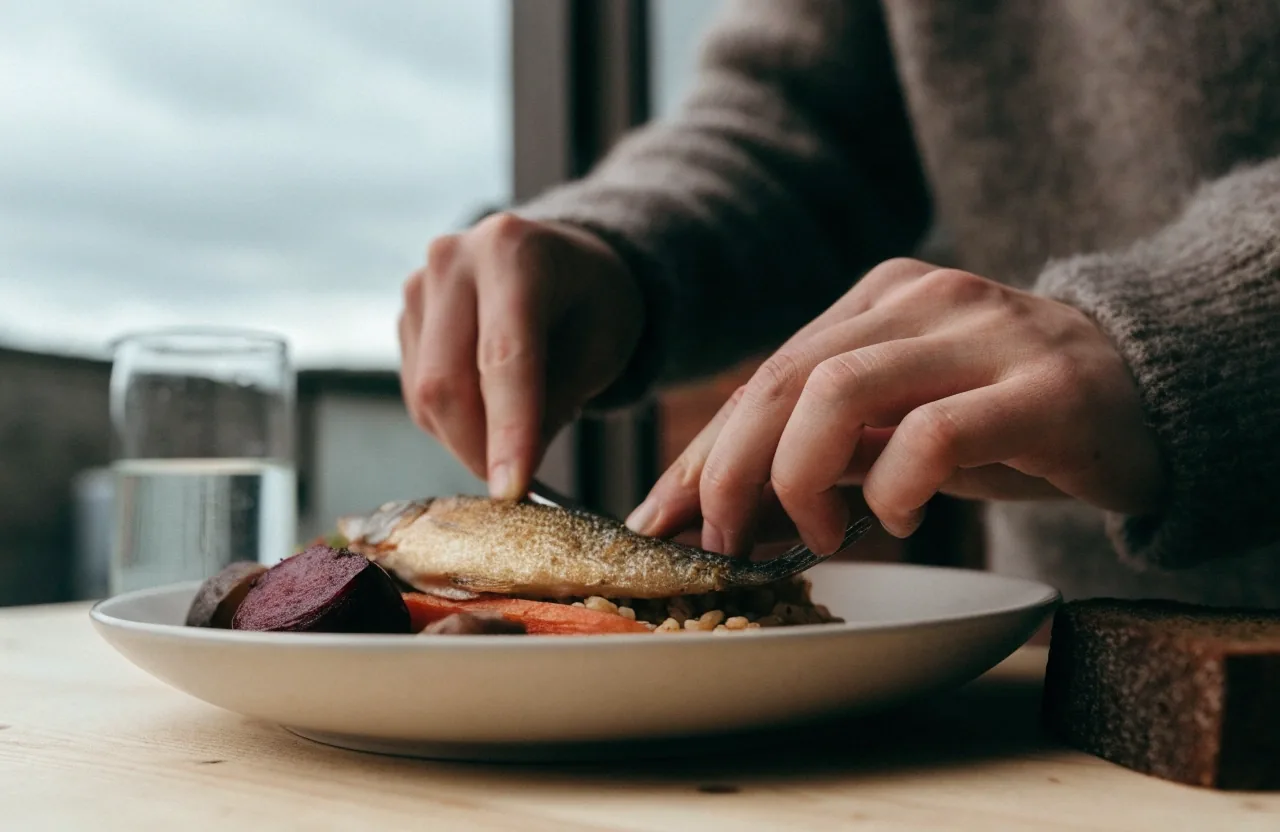
Nutrition affects mood, energy, and concentration, mostly through steady blood sugar and a reasonable meal pattern. Skipping meals and relying on quick energy creates a daily swing that feels like a personality trait but is often just timing.
Fish, vegetables, and whole grains are the everyday answer, not a special intervention. Regular meals are underrated in this context — not because they do anything dramatic, but because they keep the day from becoming a series of small crashes.
Activity, daylight, and mental wellbeing
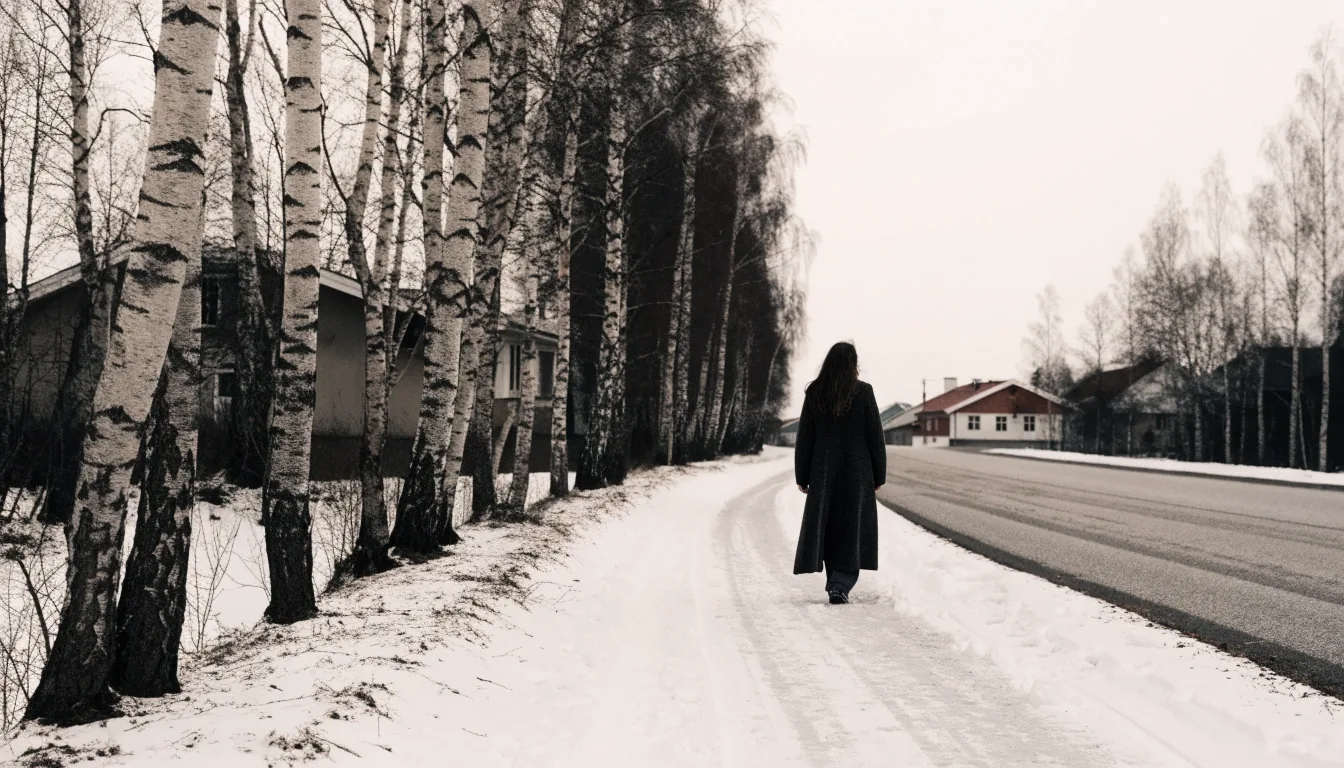
Movement and daylight are the two most reliable mood tools available without a prescription, and in Finland they are often short together in winter. A daytime walk covers both, which is why it keeps appearing in this guide.
It is not dramatic, and it will not fix a difficult situation. It does make the day more workable, especially when the light is scarce. In January, that is not a small thing.
When everyday habits are not enough
Sometimes they are not, and recognising that matters more than trying harder. Ongoing distress, anxiety, or low mood deserves professional support, not another routine adjustment.
Everyday habits work alongside that help, not instead of it. The aim of this page is to make the daily base steadier, not to replace proper care with discipline.
If low mood or anxiety persists for weeks or starts affecting work, sleep, or relationships, the right next step is a conversation with a health professional — not another self-improvement experiment.
Questions readers ask first
Short, plain answers to the four things people tend to wonder when they read a wellbeing statistic about their own country.
What counts as good quality of life?
It is self-rated, meaning it reflects how a person describes their own life. Around half of Finnish adults rate theirs as good in the latest THL data. Energy, mood, and how manageable daily life feels all feed into it.
Can routines really improve wellbeing?
Sleep, daylight, food, and movement steady the daily base, which makes hard days more manageable. They are not a treatment for distress. Used alongside proper support where needed, they make a real difference to how ordinary days feel.
Why is distress rising among working-age adults?
There is no single cause. Work pressure, economic uncertainty, and long dark months all likely play a part. Because the causes are broad, everyday routines matter more, not less. They are the part of the picture you can directly influence.
When should I seek professional help?
If low mood, anxiety, or distress persists for weeks or affects daily functioning, professional support is the right step. Everyday habits work alongside that help. This guide does not diagnose or treat, and it will not pretend to.
This page is informational. It is not a medical service and it does not replace assessment or care from a qualified health professional.
Where to take this next
Three of the routines above have a full chapter of their own in the guide. Pick the one that matches the part of your week that feels most stretched.
Start with sleep and recovery
Evening timing, a stable wake time, and the case for treating the last hour as something to protect.
Sleep and RecoveryBuild a movement routine
Ordinary walking, winter daylight, and how to keep both going when the roads are icy and the light is short.
Movement and Active LivingSpecial diets, explained plainly
What changes when you follow a vegan, keto, or gluten-free pattern, and how to keep the routine steady while you do.
Special Diets ExplainedQuestions about what you read here?
Write to the editorial team at [email protected] or call +358 40 345 6789, Monday to Friday, 9:00 AM to 6:00 PM.
Restful Body Balance · Hameenkatu 14, 33100 Tampere, Finland · Published for readers in Finland, in English.